Guinea-Bissau president to run as an independent candidate in November election
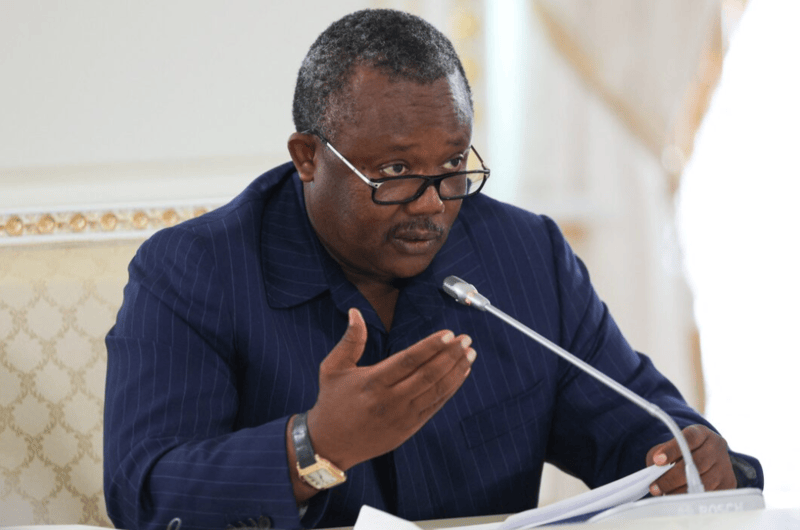
The move comes amid ongoing unrest sparked by his decision to postpone the vote, which has drawn criticism for extending his stay in power beyond the original mandate.
Guinea-Bissau’s political scene remains tense as President Umaro Sissoco Embalo announced on Friday that he will run as an independent candidate in the country’s upcoming November presidential election.
The move comes amid ongoing unrest sparked by his decision to postpone the vote, which has drawn criticism for extending his stay in power beyond the original mandate.
More To Read
- Guinea-Bissau’s military takeover highlights the nation’s history of coups and deepening crisis across the region
- Nigeria provides safe haven for Guinea-Bissau opposition leader as coup crisis deepens
- Guinea-Bissau military takeover after disputed election sparks ECOWAS action
- African Union suspends Guinea-Bissau over coup
- Deposed Guinea-Bissau President Umaro Embaló flown to Senegal as coup deepens
- ECOWAS suspends Guinea-Bissau after post-election coup
Embalo, who was elected in December 2019 for a five-year term, made his candidacy official during the inauguration of his new prime minister, Braima Camara.
Camara, who belongs to Embalo’s ruling Madem G15 party, replaces opposition prime minister Rui Duarte Barros, a member of the African Party for the Independence of Guinea and Cape Verde (PAIGC), who was dismissed just a day earlier.
At the ceremony, Embalo also launched a new political movement called “Move Forward Together,” which will serve as the platform for his campaign.
In his speech, Embalo said, "I will not be any political party's candidate because I don't want to be anyone's hostage."
"Any political parties, corporate bodies or religious organisations that wish to support me are welcome,” he added.
Since gaining independence from Portugal in 1974, Guinea-Bissau has experienced a series of coups and political instability, making it one of the poorest nations in the world with deep-rooted issues of corruption.
While the country has taken steps toward strengthening the rule of law since the 2014 presidential elections, periods of unrest have continued, including during Embalo’s time in office.
Top Stories Today